

The year 2020 marks the 58th Anniversary of the movement of Indians to Chatsworth from various parts of Durban and surrounding suburbs, in terms of the Group Areas Act. It was not “To Chatsworth with Love” but to rid certain areas of the “Indian Menace”. In the 58 years we have here, we can only celebrate our own achievements in the face of adversity with so many odds stacked against us.
As a resilient community our achievements in all fields speak for themselves. We rose from the ashes like the proverbial Phoenix.
As early as 1925, Dr D.F Malan passed the Class Areas Bill to segregate the races in South Africa. In addition, there was the Asiatic Land Tenure Act to restrict Indians and Indian businesses to certain areas, especially in the Transvaal. The Whites in Durban were not satisfied with these measures and planned during and after World War II (1939-1945) to stop Indian penetration into White areas such as Berea and Greyville.
In 1946, General Smuts passed the Asiatic Land Tenure and Indian Representation Act, whereby Indians had to obtain land from the Land Tenure Board in Pietermaritzburg, to build. At this time, the Natal Indian Congress led by A.I. Kajee and P.R. Pather was taken over by the members of the Anti-Segregation Council, led by people like Dr G.M. Naicker, Dr K. Goonam, M.D Naidoo and others, including Trade Unionists and Communists.
In June 1946, the Natal Indian Congress launched the Passive Resistance Campaign against the latest Act. This campaign received world-wide attention with the matter being put on the United Nations General Assembly’s Agenda by India’s Vijayalakshmi Pandit. India subsequently severed diplomatic ties with South Africa.
To seal the fate of Indians and other non-whites, the National Party came into power in 1948, first offering repatriation to India with incentives and when this failed, they introduced the Group Areas Act. The Durban City Council took advantage of this Act to move Indians from various parts of Durban to Chatsworth. As early as 1948, Carl T. Schelin established Umhlatuzana Township. Merebank had its housing scheme built on land expropriated from Indian farmers. In Chatsworth, it was also Indian farmland that was expropriated to provide low cost housing.
Other Townships also sprung up, notably Kharwastan and Burlington Heights. The Stainbanks held large tracks of land. To safeguard their interests, they created the Yellowwood Park Complex with its own private local authority. By declaring the remaining land a Nature Reserve, they denied land for a second access road to and from Chatsworth. The only white residential area made available to Indians was Isipingo Beach.
SILVERGLEN
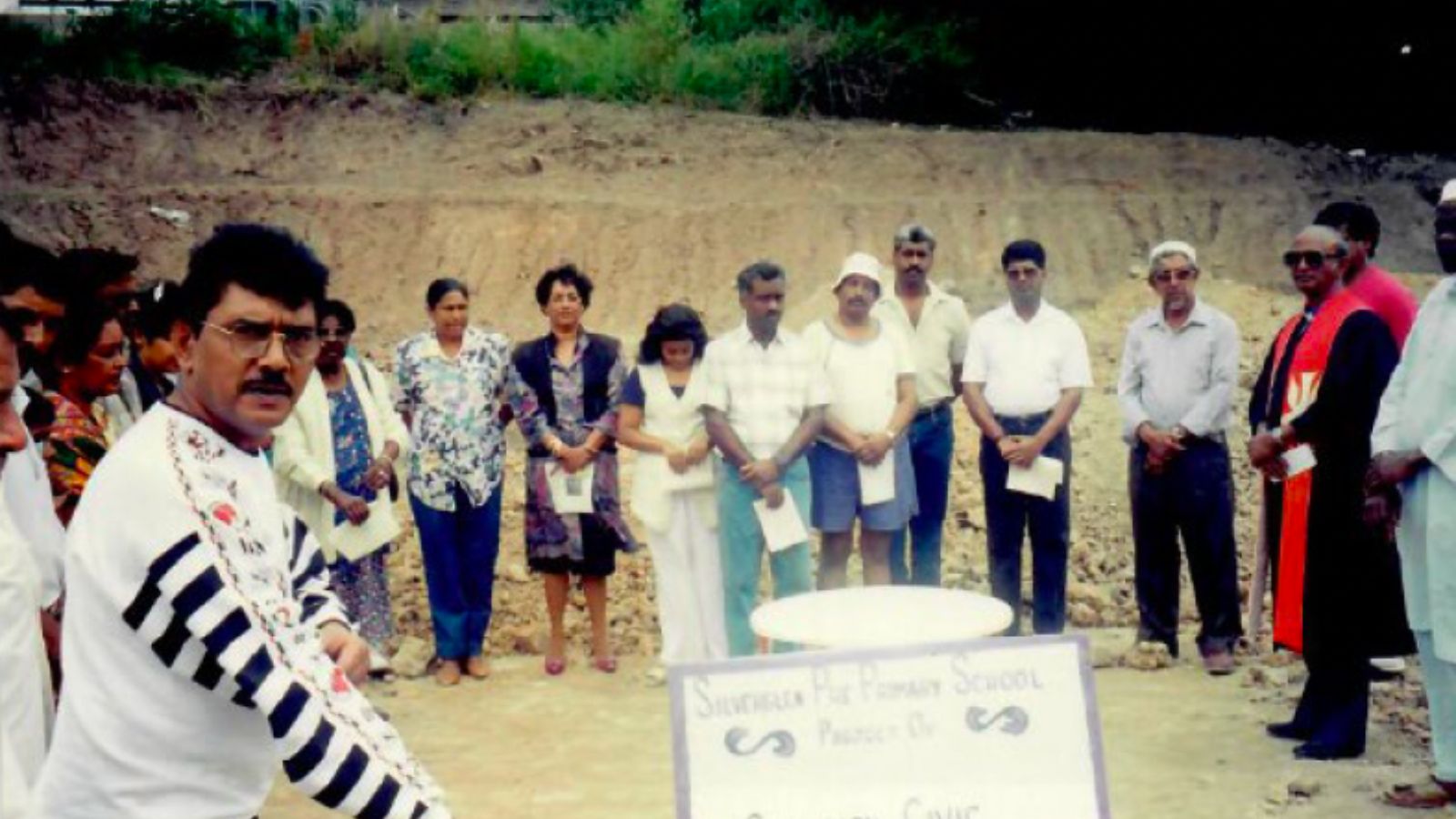
Silverglen was proclaimed a Township in January 1959. As a result of the Group Areas Act and the forced removal of settled communities from various parts of Durban and Districts, a sizable number of people began moving into Silverglen, a township that conformed to the minimum standards of the Private Townships Board and administered by the Local Health Commission. Provision was made for a civic hall, playing fields, crèche, clinic and several schools.
The township of Silverglen was later incorporated into the Durban Muncipality, however, it still lacked various basic amenities. The condition of roads and drainage as well as pavements, lighting, etc. left much to be desired. Even the sewer line presented problems. The Silverglen Ratepayers Association was established in 1970 and subsequently became the Silverglen Civic Association in order to allow tenants and children of ratepayers to become members. From the very inception, the Association has been blessed with dedicated officials who have spared no effort towards upholding the goals and aspirations of the Association.
Over the years, volumes of correspondence have been addressed to the City Council – with the normal stereotyped reply – “Due to the lack of funds” or “when funds become available”. The Civic building is situated at the corner of Playglen and Harmony Road. The Association took transfer of this property on 15 November 1977 at a cost of R5 500. The late Mr V.R Naidoo was given the task of having plans drawn up for a crèche and a hall. By the way of donations and grants, the building was completed and the official opening took place in 2003.
The building is also a credit to the dedication of the officials who sacrificed their time and energy to see to its completion. To the officials of the Association, the Silverglen Community owes a debt of gratitude.
With the change of government in 1994, by legislation, a number of small boroughs were incorporated into eThekwini to form the Durban Metro. While this meant a wider base for Durban, it also brought greater responsibility to provide services to these areas.
In conclusion, I would advise the residents of Silverglen to be alert and conscious of issues affecting the welfare of rate paying citizens and the future of your children. Joining organisations like the Civic Association and other Community based organisations would give a better insight into what is required of us, as members of this community.
Mr MN Reddy